by Marc Russo | Jun 18, 2025
As insurance professionals, we’re always looking for ways to bring value to our clients, reduce exposure, and increase profitability. For brokers specializing in apartment buildings, Tenant Legal Liability (TLL) insurance is one of the most underutilized tools available—yet it’s one that delivers benefits across the board.
What Is Tenant Legal Liability Coverage?
Tenant Legal Liability coverage is a policy designed to protect property owners against damage caused by tenants due to events such as fire, smoke, water discharge, explosion, or sewer backup. In most programs, it offers up to $100,000 in property damage coverage for the building owner and typically includes $10,000 in personal property protection for the tenant.
Why It Matters for Building Owners
For property owners, TLL offers three core advantages:
- Protects the Owner’s Property: When tenant-caused damage occurs, the owner can make a claim under the TLL policy rather than their main property policy. This preserves the integrity of their primary insurance loss history.
- Improves Long-Term Pricing: By reducing claims frequency on their primary policy, owners can achieve better renewal rates and more favorable underwriting outcomes.
- Creates a Revenue Opportunity: When structured appropriately, owners can administer the policy and earn administrative fees—turning a risk management practice into a new revenue stream.
Why It Helps Tenants
Most tenants are uninsured or underinsured when disaster strikes. A TLL policy fills that gap by:
- Offering funds to replace personal belongings.
- Covering temporary relocation expenses.
- Protecting tenants from potentially life-altering financial hardship.
It’s not just good protection—it’s good customer service.
Why Brokers Should Pay Attention
For brokers, TLL is an opportunity to:
- Deliver a meaningful, value-add solution to your property owner clients.
- Demonstrate thought leadership by promoting best practices in risk mitigation.
- Earn additional commission through the placement and administration of the program.
The Bottom Line
Tenant Legal Liability coverage is a simple, cost-effective way to protect apartment communities, reduce friction between owners and tenants during claim events, and improve insurance economics for all involved. For owners, it’s about protecting assets and improving margins. For tenants, it’s about having a safety net when the unexpected happens. And for brokers, it’s about doing the right thing while building stronger, more profitable client relationships.
If you’re not already discussing TLL with your apartment-owning clients, now is the time to start.

by Marc Russo | Jun 3, 2025
Tenant Legal Liability Insurance (TLL) is a specialized insurance product designed to protect landlords from property damage caused by tenant negligence. Unlike traditional renters insurance, which protects the tenant’s personal property, TLL focuses on safeguarding the landlord’s assets.
Why It Matters
Each year, tenant-related damage can cost apartment owners tens of thousands of dollars. Fires, water damage, and smoke incidents are common and expensive. TLL ensures there’s coverage when tenants cause these types of damages, reducing the financial burden on property owners.
Key Benefits
- Reduces claims against the master policy
- Streamlines compliance across the property
- Ensures fast payouts and less administrative work
Real-World Example
A tenant accidentally left the stove on, causing a kitchen fire that resulted in $18,000 in damage. With tenant legal liability insurance, the landlord’s costs were covered, and their master policy remained untouched.
Conclusion
TLL offers peace of mind, consistent coverage, and a reliable safety net for apartment owners.

by Marc Russo | May 17, 2025
Many property owners assume renters insurance is enough to protect their investments, but that’s not always the case. A damage waiver program may offer better protection and compliance. Here are a few benefits and drawbacks to help you choose the solution best suited for your property.
Renters Insurance: Pros & Cons
- Protects tenant’s personal items
- May not include liability coverage
- Requires tenant purchase and proof of coverage
Damage Waiver: Pros & Cons
- Built into the lease agreement
- Covers tenant-caused property damage
- Simplifies compliance and reduces lapses in coverage
Which Solution Wins?
From a property management perspective, a damage waiver program wins in terms of consistency, enforceability, and direct protection of the property.
Conclusion
Consider implementing a damage waiver to ensure universal coverage and better protection for your property.
by Marc Russo | May 1, 2025
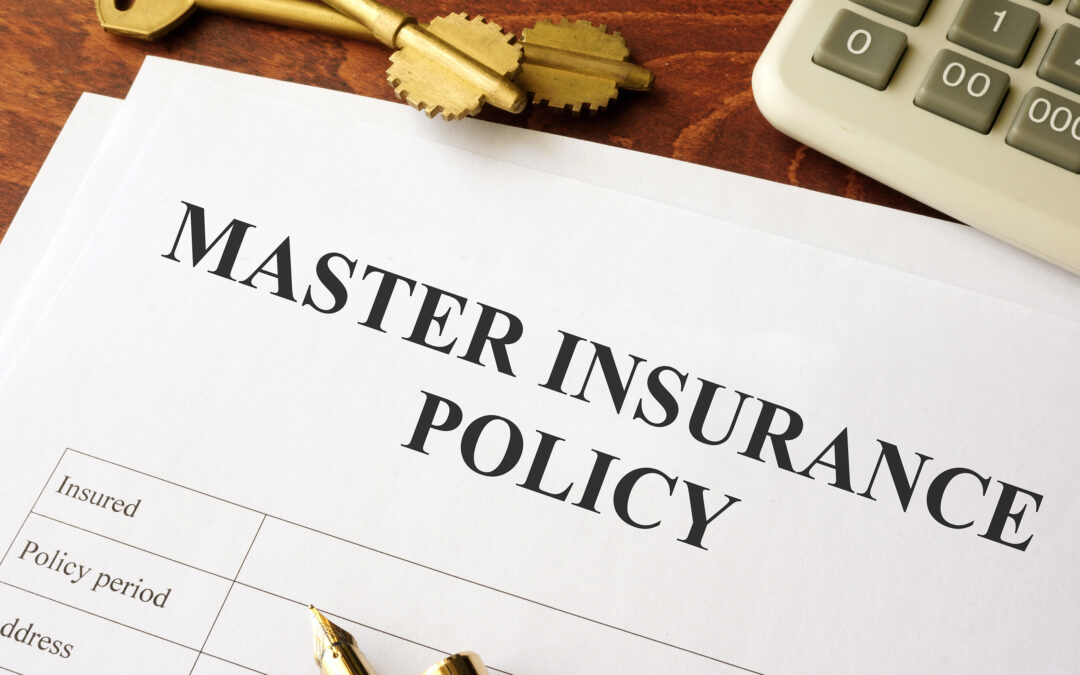
A master insurance policy is a comprehensive insurance policy that covers the structure and common areas of a multifamily property. It’s the foundation of any apartment insurance strategy.
Key Coverages
- Property damage
- General liability
- Loss of income (business interruption)
Why a master policy Matters
Relying solely on tenant policies can leave major gaps. A strong master policy combined with tenant-level coverage ensures comprehensive risk management.
Reducing Claims with Supplementary Programs
Programs like TLL or damage waivers reduce the number of claims made against the master policy, preserving your claims history and lowering long-term premiums.
final thoughts
A master policy is essential, but enhancing it with tenant programs offers optimal protection.

by Marc Russo | Apr 15, 2025
Keeping tenants insured is one of the most challenging aspects of risk management for multifamily properties. Non-compliance from tenants of a multifamily property, leads to gaps in coverage and out-of-pocket expenses for landlords or building owners.
Challenges with Traditional Renters Insurance
- Tenants forget to renew their coverage
- Incorrect policy limits
- Difficulty verifying active policies
Solutions for Better Multifamily Property Compliance
Benefits of Enforced Compliance
- Fewer gaps in coverage
- Fewer disputes over liability
- Streamlined claims process
Final Thoughts
Better compliance leads to better protection. Modern insurance solutions can take the burden off landlords while ensuring properties remain protected. Inquire today about implementing a program that ensures better multifamily property insurance compliance.